
Importance of Monitoring Your Digital Reputation – Review Arm
In today’s digital-first world, the importance of reputation management is greater than ever. Whether you are a business owner, a professional, or an individual, people are constantly searching online before making decisions. What they find about you can shape their opinion instantly. This is why monitoring your digital reputation is not optional anymore—it is essential.
Every review, comment, social media post, or mention contributes to how you are seen online. By keeping a close eye on your digital reputation, you can protect your image, build trust, and stay ahead in a competitive space.
What Is Digital Reputation?
Your digital reputation is the overall image people have of you or your brand based on online content. This includes:
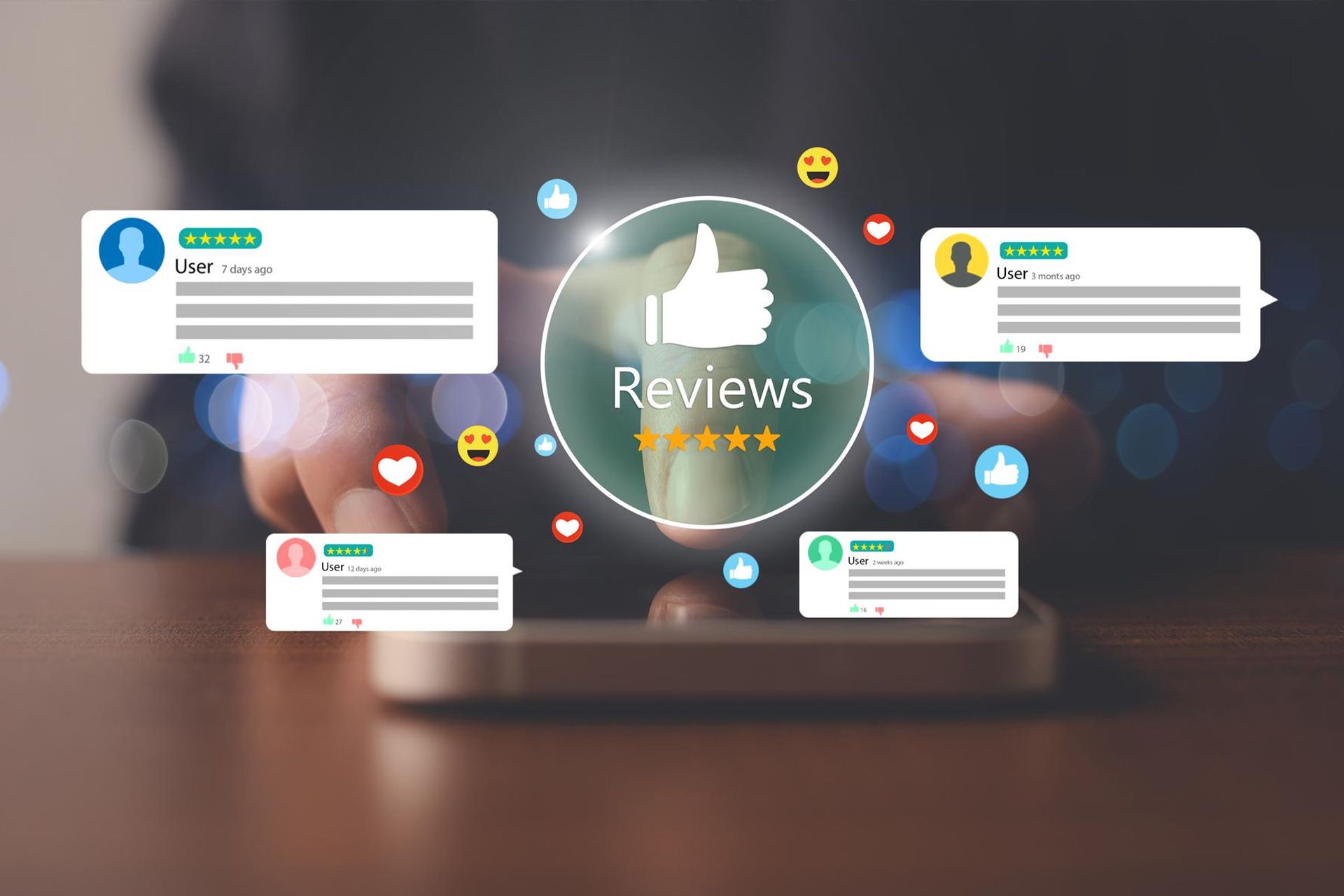
- Online reviews and ratings
- Social media posts and comments
- Mentions on blogs, forums, and news sites
- Business listings and profiles
For many people, this online image becomes the first impression. Often, it matters just as much—if not more—than real-life interactions.
Why Monitoring Your Digital Reputation Is Important
Understanding the importance of reputation management starts with knowing how much impact online opinions have.
1. Creates Strong First Impressions
Most people search online before choosing a service, hiring someone, or trusting a brand. Positive reviews and clean search results create confidence. Negative or outdated information can push people away before you even get a chance.
2. Builds Trust and Credibility
A well-managed online reputation shows that you are reliable and professional. When people see positive feedback and thoughtful responses, they feel more comfortable choosing you over others.
3. Helps You Catch Problems Early
Negative reviews or comments can spread quickly if left unnoticed. Monitoring your reputation helps you spot issues early, respond faster, and reduce long-term damage.
4. Improves Customer Relationships
When you respond to reviews—both positive and negative—it shows you care. Listening to feedback and engaging respectfully helps build stronger relationships and long-term loyalty.
5. Supports Better Business Decisions
Online feedback gives real insight into what people like and dislike. By monitoring your reputation, you can identify patterns, improve services, and make smarter decisions.
6. Keeps You Competitive
Knowing what customers are saying about you and your competitors helps you stay ahead. You can learn from others, spot trends, and improve your own approach.
How Digital Reputation Affects Different Audiences
The importance of reputation management applies to everyone.
For Businesses
A strong reputation increases sales, improves brand loyalty, and attracts new customers. Poor reviews or ignored complaints can lead to lost revenue.
For Professionals
Employers, partners, and clients often search names online. A positive digital footprint can open doors to new opportunities.
For Individuals
Your online presence can impact education, employment, and personal relationships. Monitoring helps ensure your online image reflects who you truly are.
Simple Ways to Monitor Your Digital Reputation
You don’t need complex systems to get started. Here are easy steps anyone can follow:
Search Your Name or Business Regularly
Check search engines to see what appears on the first page. This shows what others see first.
Track Reviews Consistently
Keep an eye on review platforms relevant to your industry. Reviews strongly influence decisions.
Monitor Social Media Mentions
People often share opinions on social platforms. Check comments, tags, and messages regularly.
Use Alerts and Monitoring Tools
Alerts notify you when your name or brand is mentioned online, helping you respond quickly.
Best Practices for Managing Your Online Reputation
Monitoring is only part of the process. Active management makes a real difference.
Respond Politely and Promptly
Always reply with respect, even to negative comments. A calm response can turn a bad experience into a positive one.
Encourage Positive Reviews
Ask satisfied customers to share their experiences. More positive reviews help balance occasional negative ones.
Share Helpful and Positive Content
Publishing useful content builds authority and pushes positive results higher in search results.
Be Honest and Transparent
If something goes wrong, admit it and explain how you are fixing it. Honesty builds long-term trust.
Stay Consistent
Reputation management is not a one-time task. Regular monitoring keeps your image strong over time.
Common Mistakes to Avoid
- Ignoring negative reviews
- Responding emotionally instead of professionally
- Only monitoring reviews and ignoring social media
- Being inconsistent with responses
Avoiding these mistakes helps protect your reputation and shows professionalism.
Final Thoughts
The importance of reputation management lies in control, awareness, and trust. Monitoring your digital reputation helps you understand public perception, respond effectively, and maintain a positive online image. In a world where opinions spread fast, staying informed is the key to staying strong.
Take charge of your digital image today—monitor, manage, and protect your reputation with
Review Arm.
Frequently Asked Questions (FAQs)
Why is the importance of reputation management growing?
Because most decisions today start online, and people trust reviews and opinions shared on the internet.
How often should I monitor my digital reputation?
Weekly monitoring is a good start, with alerts set for real-time mentions.
Can responding to negative reviews really help?
Yes. A professional response can improve trust and show accountability.
Is reputation management only for big businesses?
No. Small businesses, professionals, and individuals all benefit from monitoring their online image.
What happens if I ignore my digital reputation?
Unaddressed negative content can grow and damage trust, credibility, and opportunities.
Disclaimer: The information on this website and blog is for general informational purposes only and is not professional advice. We make no guarantees of accuracy or completeness. We disclaim all liability for errors, omissions, or reliance on this content. Always consult a qualified professional for specific guidance.
Recent Posts